Bike Power-to-Weight Ratio: Quick Answer
Power-to-weight ratio compares a motorcycle's engine power with its weight. It shows how much power is available for each kilogram of the bike's weight. The basic formula is: Power-to-weight ratio = Power (PS) ÷ Weight (kg). For example, a 25 PS bike weighing 150 kg has a power-to-weight ratio of 0.167 PS/kg.
Power-to-Weight Ratio Formula
The calculation is simple. Divide the motorcycle's maximum power in PS by its weight in kilograms. Formula: Power-to-weight ratio = Engine Power (PS) ÷ Bike Weight (kg). A higher number means more engine power is available for each kilogram of motorcycle weight.
Simple Power-to-Weight Example
Suppose a motorcycle produces 30 PS and weighs 150 kg. 30 ÷ 150 = 0.20 PS/kg. So, the motorcycle has a power-to-weight ratio of 0.20 PS/kg, or 200 PS per tonne.
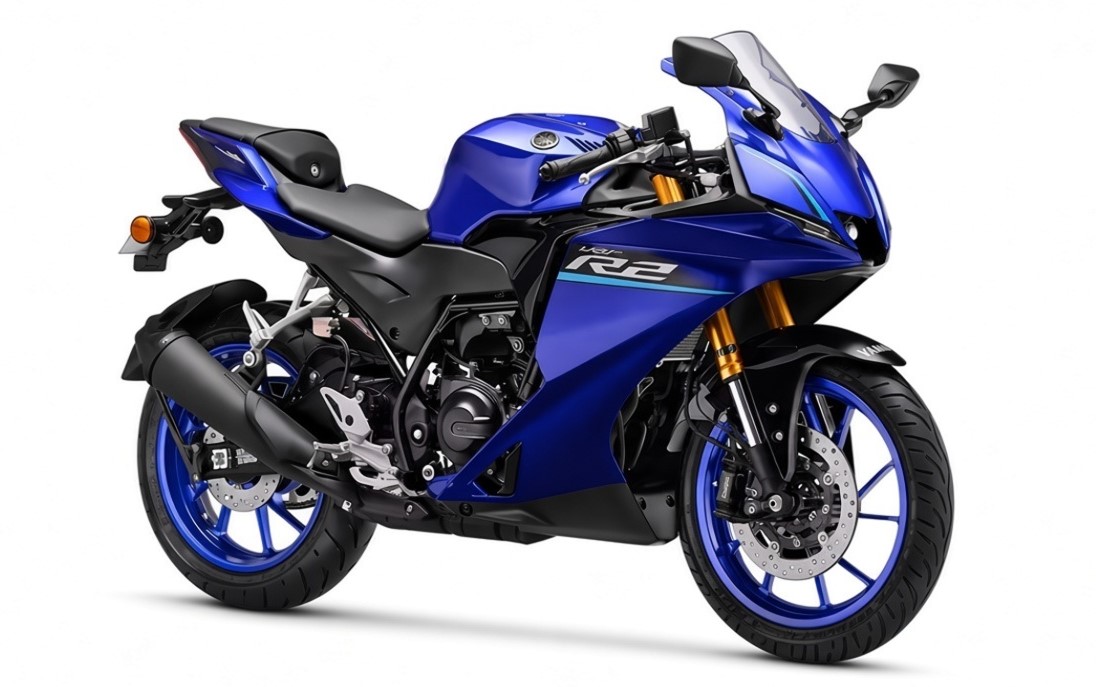
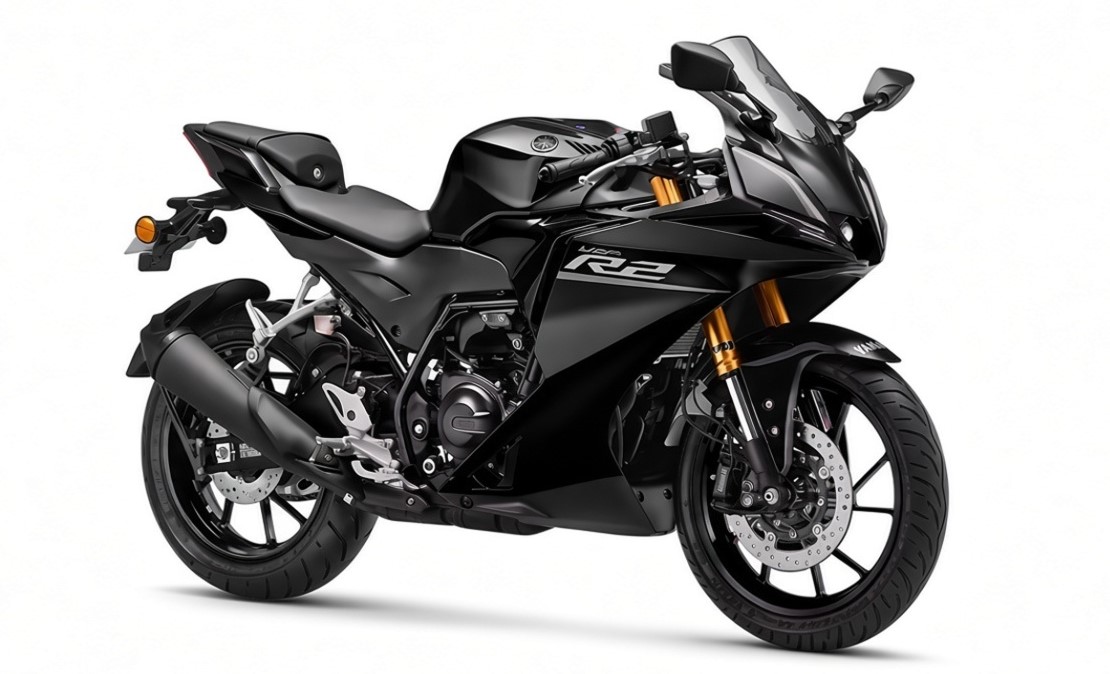
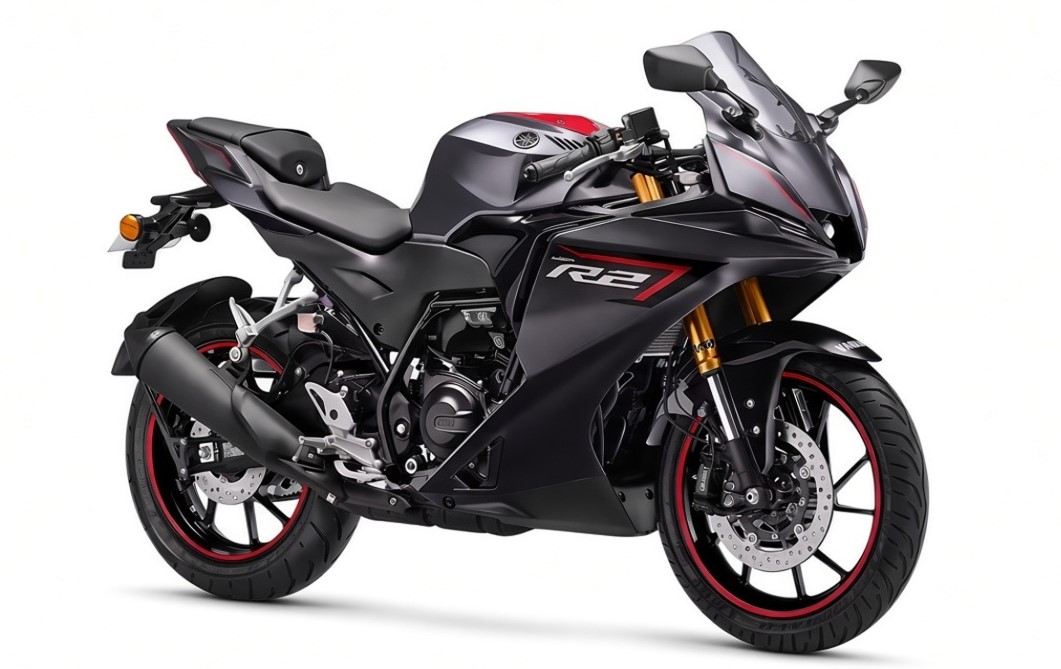
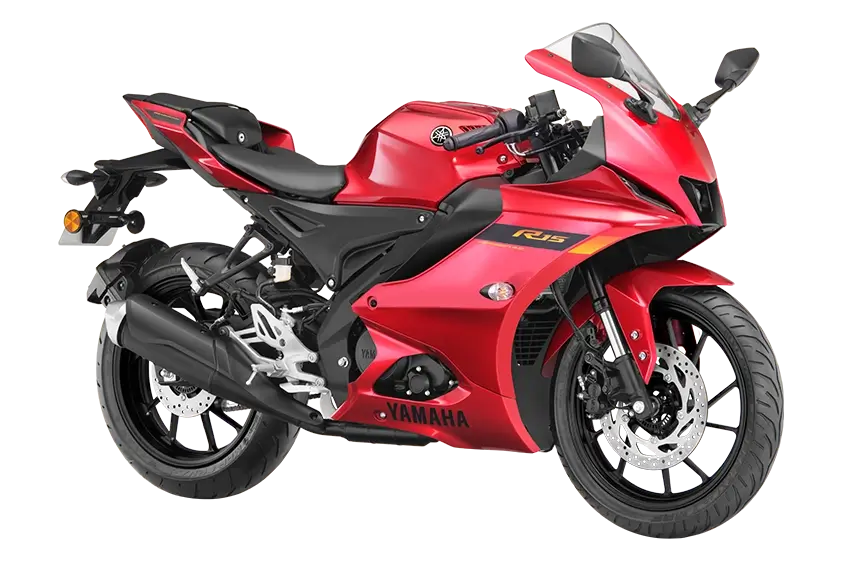
Yamaha R2 Power-to-Weight Ratio
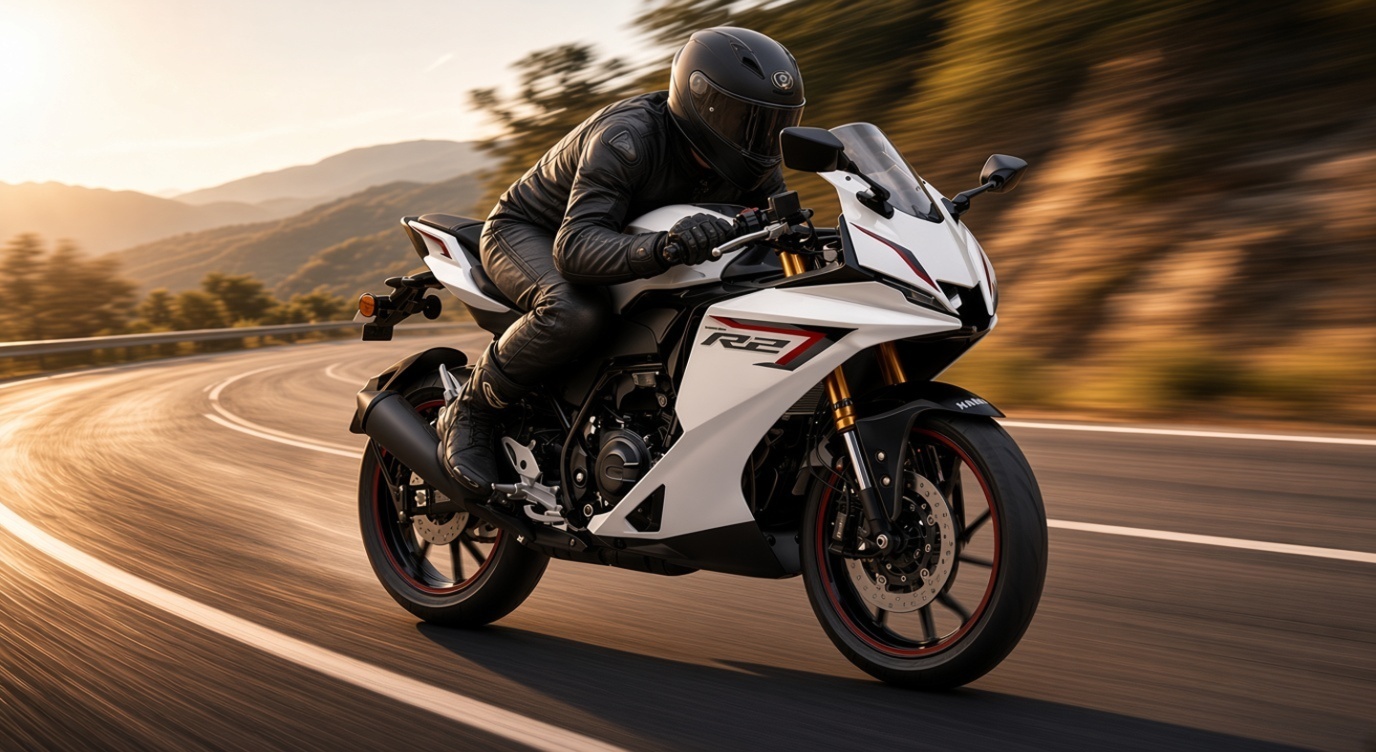
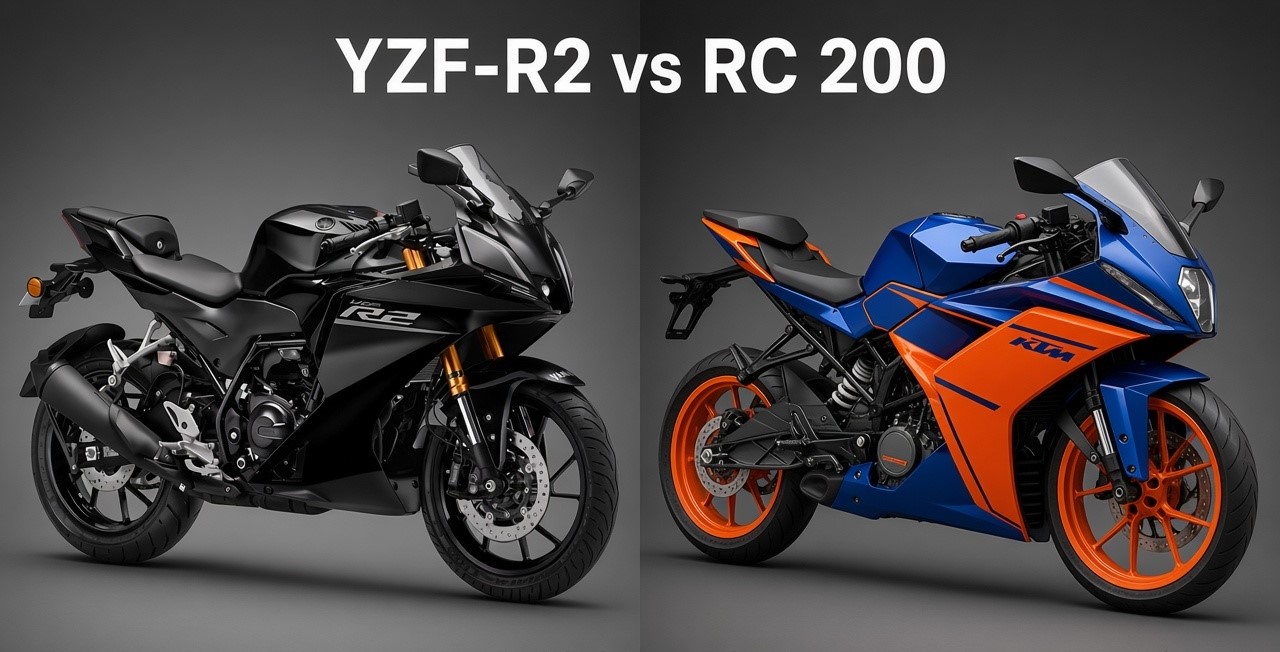
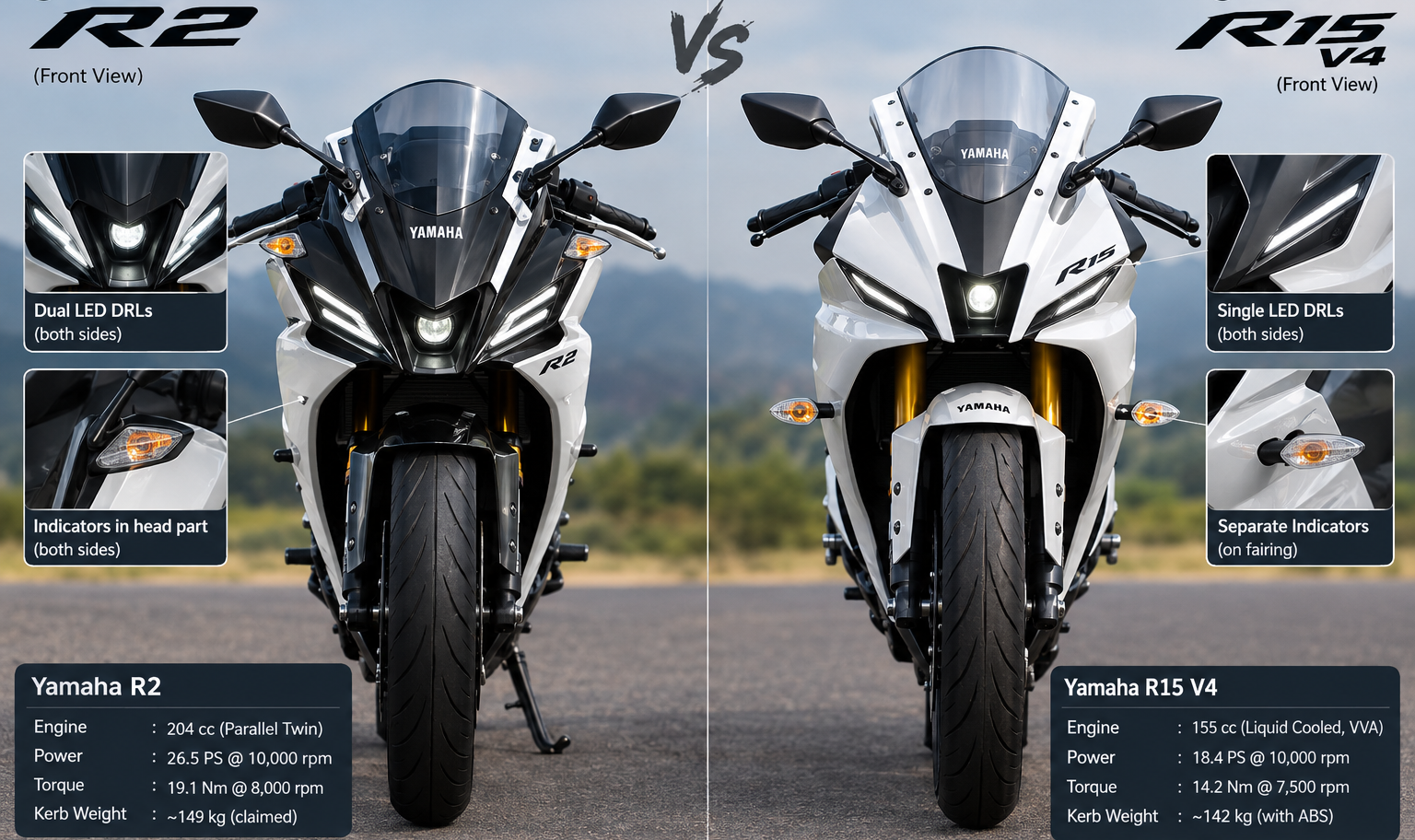
Using 26.5 PS and approximately 149 kg, the Yamaha R2 has a power-to-weight ratio of about 0.178 PS/kg. Calculation: 26.5 ÷ 149 = 0.178 PS/kg. This gives a simple indication of the relationship between the R2's engine output and its weight, but it does not determine its actual acceleration or top speed.
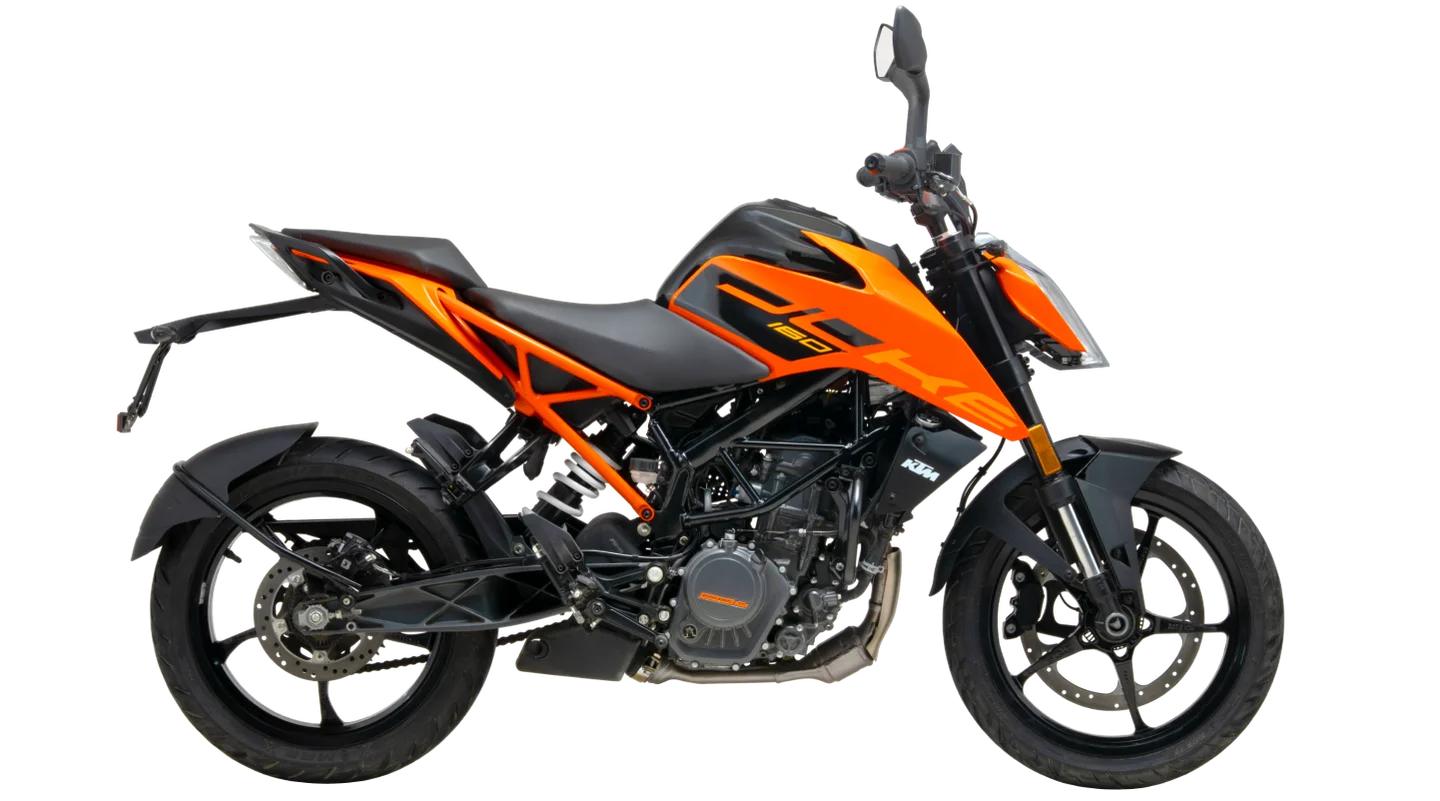
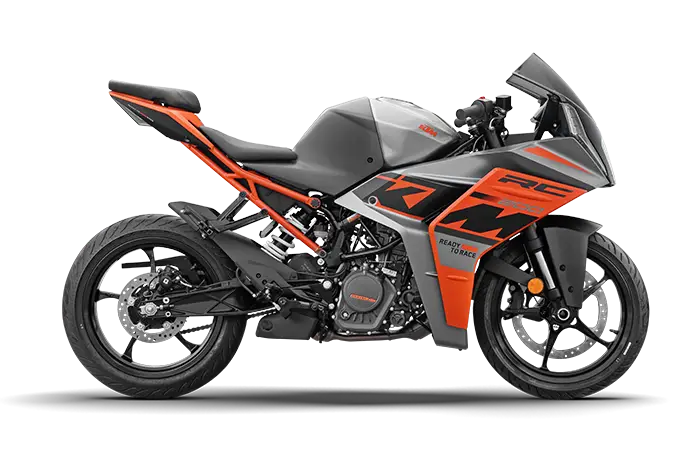
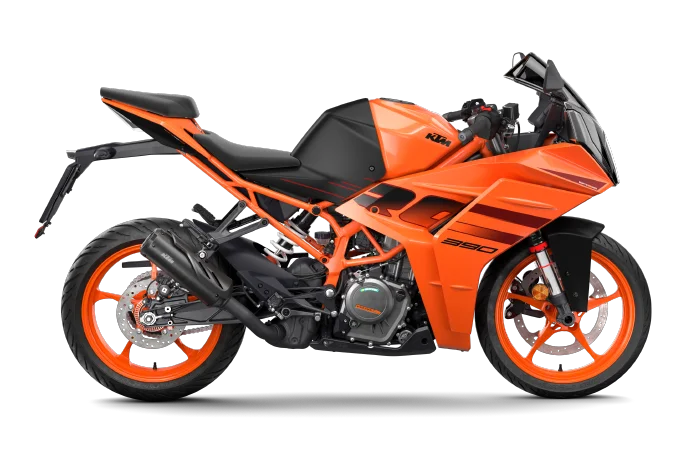
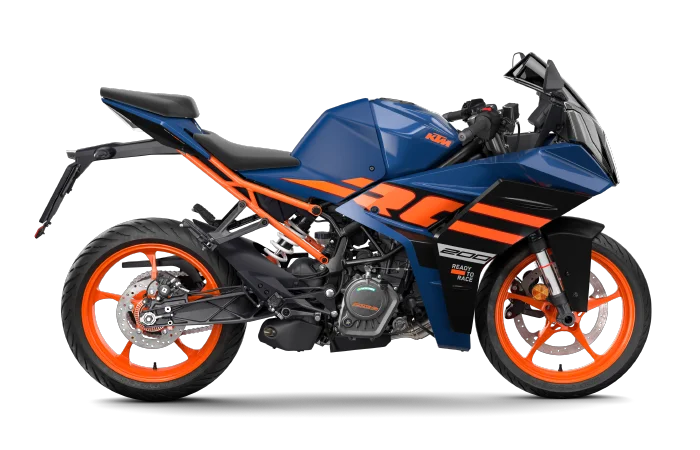
KTM RC 200 Power-to-Weight Ratio
Using 25 PS and around 160 kg, the KTM RC 200 has a power-to-weight ratio of approximately 0.156 PS/kg. Calculation: 25 ÷ 160 = 0.156 PS/kg. Power-to-weight ratio can be useful when comparing motorcycles, but gearing, tyres, aerodynamics and other factors also affect performance.
Why Does Power-to-Weight Ratio Matter?
A motorcycle has to move its own weight as well as the rider's weight. When more engine power is available relative to the total mass, the motorcycle can have an advantage during acceleration. However, power-to-weight ratio is only one part of motorcycle performance. Engine characteristics, gearing, traction, aerodynamics and rider weight also matter.
Does a Higher Power-to-Weight Ratio Mean a Faster Bike?
Not necessarily. A higher power-to-weight ratio can help acceleration, but it does not guarantee a higher top speed. At higher speeds, aerodynamic drag becomes increasingly important. Gear ratios, engine power at high rpm, tyres and riding conditions can also change the result.
How to Calculate Any Bike's Power-to-Weight Ratio
To calculate the ratio for any motorcycle: 1. Find the bike's maximum power in PS. 2. Find its weight in kilograms. 3. Divide power by weight. 4. The result is the power-to-weight ratio in PS/kg. Example: 35 PS ÷ 175 kg = 0.20 PS/kg.
What Does Power-to-Weight Ratio Tell You?
Power-to-weight ratio gives a simple way to compare engine power relative to motorcycle weight. It can help when understanding acceleration and performance on paper. It does not directly tell you the bike's exact 0-100 km/h time, top speed or handling ability because those depend on several other factors.
Final Verdict
Bike power-to-weight ratio is a simple and useful performance calculation. A higher ratio generally means more engine power is available for each kilogram of weight, but it should not be treated as a complete measure of motorcycle performance. For a better comparison, consider power-to-weight ratio together with gearing, torque, aerodynamics, tyres and rider weight.
Frequently Asked Questions
Q: What is power-to-weight ratio in a bike? A: It compares a motorcycle's engine power with its weight. Q: How do you calculate power-to-weight ratio? A: Divide the motorcycle's power in PS by its weight in kilograms. Q: Is a higher power-to-weight ratio better? A: A higher ratio can help acceleration, but it does not guarantee better overall performance. Q: Does power-to-weight ratio affect top speed? A: It can help acceleration toward top speed, but aerodynamics, gearing and engine power also matter. Q: Should rider weight be included? A: For a basic bike comparison, use the motorcycle's stated weight. For a real-world calculation, rider weight can also be included.
Explore More
Related Reads: • Yamaha R2 Top Speed, 0-100 & Performance 2026 • KTM RC 200 Top Speed, 0-100 & Performance 2026 • Bike Kerb Weight Meaning & Guide • Bike Top Speed Explained